The artificial intelligence landscape continues to evolve at breakneck speed. As we move deeper into 2026, the industry has matured from experimental prototypes to enterprise-critical infrastructure. Today’s snapshot highlights the key players, emerging trends, and what businesses need to know.
The AI Powerhouses
The industry has consolidated around several major players while still leaving room for innovative startups:
Enterprise Leaders:
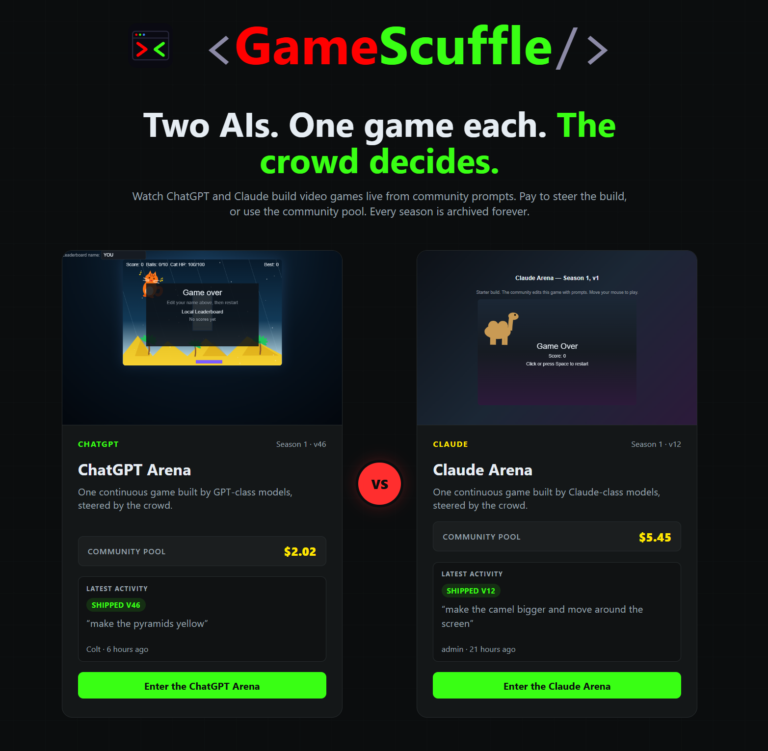
- OpenAI continues dominating with ChatGPT and API offerings
- Google AI pushes boundaries with Gemini and specialized models
- Microsoft integrates AI across its entire product ecosystem
- Anthropic focuses on safe, aligned AI systems
Rising Stars:
- New players in healthcare AI are transforming diagnostics
- Enterprise automation startups are streamlining workflows
- Creative AI tools are revolutionizing content production
Key Trends for 2026
1. Enterprise Adoption Accelerates
Companies are no longer asking “should we use AI?” but rather “how do we deploy it effectively?” The focus has shifted from experimentation to integration.
2. Specialized Models Dominate
General-purpose models are giving way to domain-specific solutions. Healthcare AI, legal AI, and financial AI each require specialized training and compliance frameworks.
3. Multimodal Becomes Standard
Text-only AI is becoming obsolete. Modern systems seamlessly handle images, audio, video, and code within unified interfaces.
4. Cost Optimization Drives Innovation
As compute costs remain significant, companies are developing more efficient architectures and deployment strategies.
What This Means for Business
For business leaders, the message is clear: AI is no longer optional. Companies that fail to integrate AI into their operations risk falling behind more agile competitors.
Immediate Actions:
- Audit current workflows for AI automation opportunities
- Evaluate vendor partnerships for AI integration
- Invest in employee AI literacy programs
- Establish AI governance frameworks
Strategic Planning:
- Identify high-impact, low-risk AI pilot projects
- Build internal AI capabilities alongside vendor solutions
- Monitor regulatory developments in AI governance
- Plan for AI-augmented workforce transitions
The Competitive Landscape
The 78 companies highlighted in recent industry reports represent a diverse ecosystem:
- Infrastructure providers building the foundation
- Model developers pushing capability boundaries
- Application builders solving specific business problems
- Tool creators enabling AI development and deployment
Each segment offers unique opportunities for partnership and investment.
Looking Ahead
The second half of 2026 promises even more disruption. Key areas to watch:
- AI regulation – New frameworks will reshape compliance requirements
- Model efficiency – Smaller, faster models will democratize access
- Integration tools – Better platforms for connecting AI to existing systems
- Industry-specific solutions – Tailored AI for every sector
The companies that adapt quickly will thrive. Those that wait risk obsolescence.
Stay ahead of the AI curve by following Dvelop AI for daily insights on artificial intelligence, machine learning, and enterprise technology.